Billy wallson
Senior DirectorThat heavy feeling after twenty minutes on social media isn't random — and there are practical ways to shake it off.
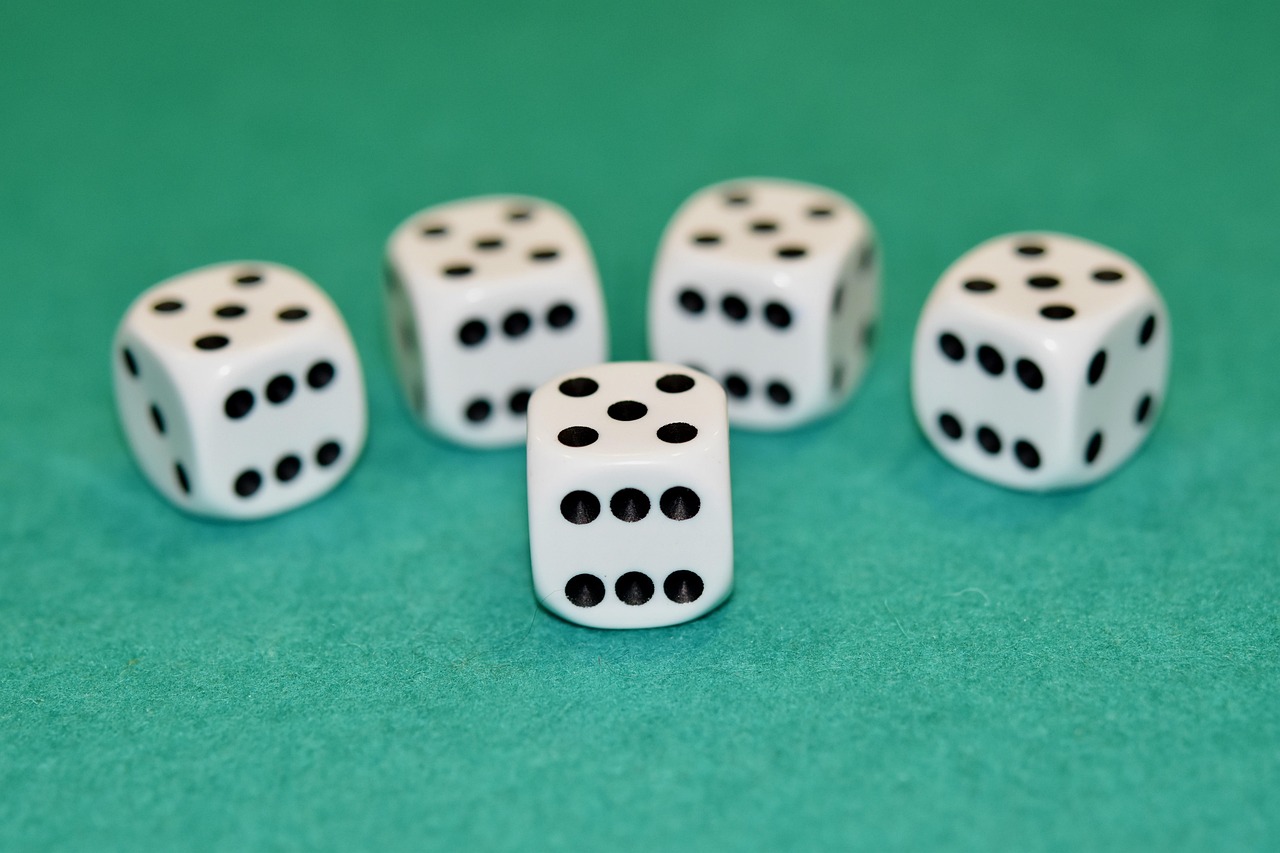
You hit spin for twenty minutes, watch your balance crawl downward, and then a stranger on a forum posts a screenshot of a 4,000x win on the exact same game. Before you conclude the machine hates you personally, understand this: slot volatility, not luck alone, is doing most of the work. Every game you play sits somewhere on a risk spectrum, and knowing where it sits changes how you bet, how long you last, and whether you walk away smug or broke.
Volatility (sometimes called variance) describes how a slot distributes its payouts over time. Two games can have an identical 96% return to player, yet behave like completely different animals. A low-volatility slot pays small amounts frequently — think 0.2x to 2x your stake, landing often enough to keep your balance fairly stable. A high-volatility slot might go 200 spins without a meaningful win, then hand you 500x in one drop.
The math behind this matters. If a game has a 96% RTP and high volatility, that 4% house edge is collected in bursts rather than nibbles. You are essentially paying for the privilege of a lottery ticket with better odds than an actual lottery. Neither volatility setting is "better" — they just suit different bankrolls and different temperaments. The mistake is playing a 10,000x-max-win slot with a 20-unit bankroll and expecting smooth sailing.
Modern slots publish far more data than players realize. Before depositing, look for these signals:
A practical shortcut: providers like Nolimit City, Hacksaw Gaming, and Push Gaming lean hard into extreme volatility, while classics such as Starburst or most NetEnt fruit slots play gentler. Pragmatic Play sits somewhere in the middle with titles like Gates of Olympus, though even that one can sleep for a long stretch.
Here is a rule that experienced players actually use: your bet size should scale inversely with volatility. On a low-volatility game, betting 1% of your bankroll per spin is survivable because wins recycle your balance. On a high-volatility game, that same 1% bet can wipe you out in under an hour during a cold streak.
A common high-volatility approach is to size bets at 0.1% to 0.5% of your total bankroll. With a 500-unit bankroll, that means 0.50 to 2.50 per spin, even if the game's minimum allows more. You are buying spins — lots of them — because the big payout needs time to arrive. Players who bust on volatile slots almost always made the same error: they bet like the feature was due.
Slots have no memory. A game that hasn't paid in 400 spins is not "warming up." Each spin is independent, governed by a random number generator that has no idea you exist. Chasing a bonus by raising your stake is the single fastest way to turn a bad session into a disaster. If anything, raising stakes during a cold streak just accelerates the drain on your balance. You will find a helpful summary at สล็อตเว็บตรง.
Volatility isn't unique to slots. In poker, a winning cash-game player can lose for months due to variance, because skill edges take thousands of hands to materialize. Tournament poker is even more extreme: the best player in a 1,000-entry field might cash only 15% to 20% of the time, relying on deep runs to profit. Sports bettors backing underdogs at +300 face the same reality — a 25% win rate is profitable, but five straight losses is completely normal.
The takeaway is identical across every vertical: your results over a short session tell you almost nothing about your edge or the game's fairness. What matters is the long run, and the long run is brutal to anyone without bankroll discipline. In poker, that means 20 to 50 buy-ins for a given stake. In betting, it means flat-staking 1% to 2% of your roll rather than chasing losses with doubled bets.
Ask yourself what you actually want from a session, then pick accordingly:
One more concrete tip: set a hard stop-loss before you start, and a win goal. If you deposit 100, decide in advance that you stop at 50 remaining or 250 reached. This removes the two most expensive decisions in gambling — chasing and greed — from the equation entirely.
Nobody beats a slot machine long term; the house edge guarantees it. What you can control is how gracefully you ride the swings. Understanding volatility turns gambling from a confused emotional rollercoaster into a calculated entertainment expense — one where the occasional 1,000x win is a bonus rather than a rescue plan. The players who last aren't luckier. They simply bet smaller, chose games that matched their bankroll, and never confused a cold streak with a machine that owes them something.
Perfect balance is a fantasy that keeps you feeling like a failure — integration is messier, more honest, and actually sustainable.

Your best ideas aren't hiding in another podcast or article — they're waiting in the silence you keep avoiding.
Every unnecessary yes is a slow leak in your energy — learning to decline cleanly is one of the most underrated professional skills.

Your brain does its most creative work when you stop forcing it — here's how to build more unstructured space into a packed day.

That heavy feeling after twenty minutes on social media isn't random — and there are practical ways to shake it off.

Perfect balance is a fantasy that keeps you feeling like a failure — integration is messier, more honest, and actually sustainable.

Copyright © 2026 Morrow Mind. All Rights Reserved.




Roseanne Williams
Sep 24, 2026 ReplyYou don't need an hour of meditation to shift your state — you need five honest minutes and a willingness to stop running for a moment.